RawFoodiest – IN NATURE WE TRUST ™

1st Powerful Reason Why Humans Are Confused Eaters – And How to Fix It!
August 9, 2023 | by admin
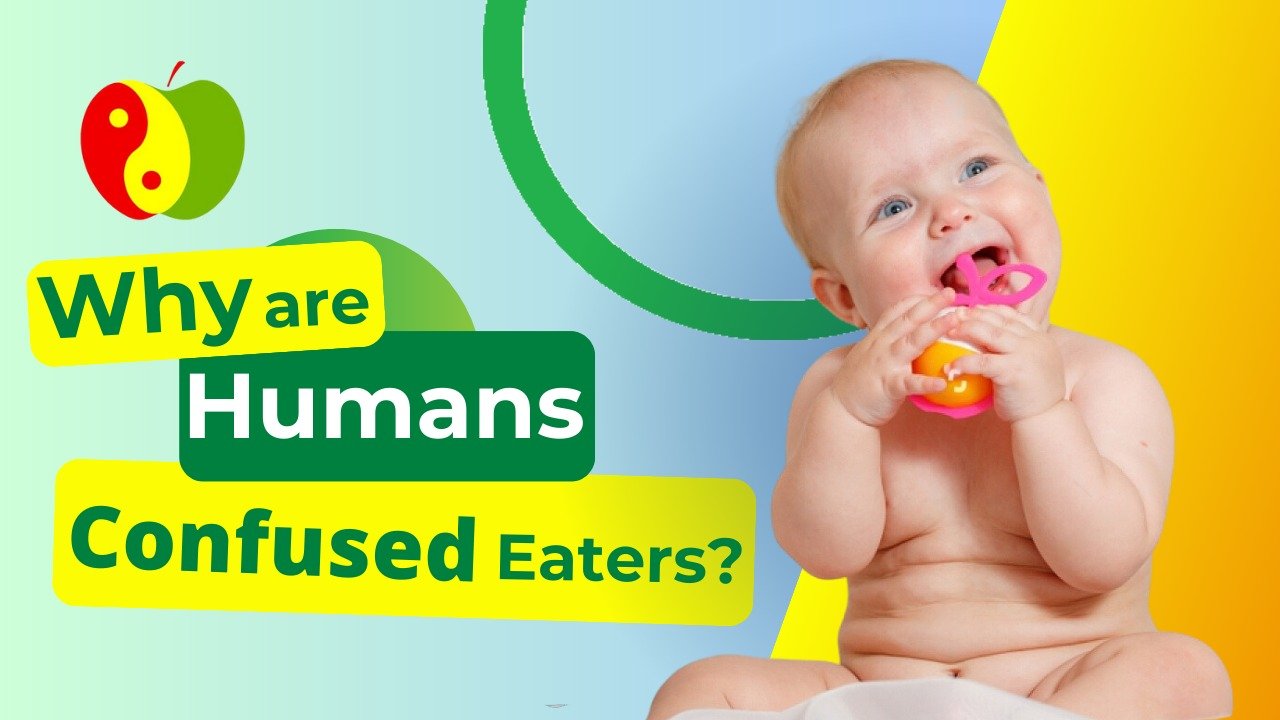
1st Powerful Reason Why Humans Are Confused Eaters – And How to Fix It!
In today’s world, food choices have become more complicated than ever before. With an overwhelming variety of diets, nutritional advice, and food products available, many humans struggle to understand what is best for their health. The confusion about food choices is not a recent phenomenon; rather, it has been developing for centuries as human societies have evolved. This blog post will explore the reasons why humans are confused eaters, shedding light on how our natural instincts, cultural influences, marketing tactics, and conflicting scientific studies contribute to the complexity of human eating habits.
The Evolutionary Perspective on Human Eating Habits
Humans have evolved as omnivores, meaning they have the ability to consume a wide range of foods. This adaptability has been both a strength and a weakness. Unlike specialized eaters in the animal kingdom, such as herbivores that thrive on plants or carnivores that depend solely on meat, humans have no single, biologically dictated diet. Instead, human ancestors adapted their diets based on availability, environment, and necessity. While this adaptability helped humans survive in various conditions, it also led to confusion regarding what humans should eat for optimal health.
The Influence of Culture and Tradition on Human Eating Habits
One of the biggest reasons why humans are confused eaters is the role of culture in shaping dietary practices. Human food choices are deeply influenced by traditions, religious beliefs, and regional availability. For example, certain cultures promote plant-based diets, while others emphasize meat consumption. As globalization expands, humans are exposed to new foods and dietary trends, creating further confusion. Traditional diets that have been followed for centuries are often replaced by modern eating habits, leading to conflicts between what humans have been culturally conditioned to eat and what modern nutrition science suggests.
The Role of Marketing and Misinformation in Human Food Choices
Food companies play a significant role in influencing human eating habits. Marketing tactics, advertisements, and product labeling can be misleading, causing humans to make poor dietary choices. Many processed foods are marketed as “healthy,” despite containing high amounts of sugar, artificial ingredients, and preservatives. Humans are often bombarded with conflicting messages about what to eat and what to avoid. One day, a certain food is labeled as beneficial; the next, it is demonized. This constant contradiction leads to even more confusion for humans trying to make informed choices about their diets.
The Impact of Scientific Studies on Human Confusion
Nutritional science is constantly evolving, and new studies frequently challenge previous findings. While science is crucial for understanding human health, the rapid changes in dietary recommendations contribute to confusion. One study may claim that carbohydrates are the key to energy, while another warns against their consumption. Similarly, fats have been labeled as both harmful and beneficial, depending on the source. Since humans rely on scientific research for guidance, the inconsistencies in nutritional studies create uncertainty about what constitutes a truly healthy diet.
Emotional and Psychological Factors in Human Eating Patterns
Humans are emotional beings, and their food choices are often influenced by emotions rather than nutritional needs. Stress, anxiety, boredom, and social situations play a role in human eating behaviors. Many humans develop unhealthy relationships with food, turning to comfort eating or restrictive dieting in response to emotions. This emotional connection to food further complicates dietary decisions, making it difficult for humans to maintain a balanced and nourishing diet.
How Humans Can Overcome Food Confusion
To make better food choices, humans need to focus on a few essential principles:
- Listen to the Body: Humans have natural instincts that guide them toward the right foods. Paying attention to how the body reacts to different foods can help humans determine what works best for them.
- Prioritize Whole Foods: Instead of relying on processed and artificial products, humans should choose whole, unprocessed foods like fruits, vegetables, nuts, and seeds.
- Avoid Diet Fads: Many diet trends promise quick results but often lead to long-term confusion. Humans should aim for sustainable eating habits rather than short-term solutions.
- Stay Educated but Skeptical: While scientific research is valuable, humans must recognize that nutritional science is ever-evolving. It’s important to stay informed but also critically evaluate new information.
- Develop a Healthy Relationship with Food: Humans should focus on food as nourishment rather than a source of guilt or emotional relief. A positive mindset towards eating can help humans make healthier choices.
Watch Our Previous Video for More Guidance
If you want to learn more about how to thrive on a raw food diet, check out our previous video: 5 Powerful Rules for Thriving on a Raw Food Diet. This video provides essential tips for transitioning to a natural and nutrient-rich diet that supports overall health.
Subscribe to Our YouTube Channel for More Insights
For more videos on raw food, health, and nutrition, make sure to subscribe to our YouTube channel: Raw Foodiest. We regularly share valuable content to help humans make informed decisions about their diets.
Final Thoughts
Humans have been struggling with food confusion for generations, but by understanding the factors that contribute to this issue, they can take control of their eating habits. Whether influenced by culture, marketing, science, or emotions, humans must focus on making conscious and mindful food choices. By embracing natural foods and prioritizing health, humans can break free from confusion and nourish their bodies in the best way possible.
RELATED POSTS
View all