RawFoodiest – IN NATURE WE TRUST ™

Einstein’s Evolution: 7 Powerful Lessons from His Journey to Vegetarianism!
June 7, 2024 | by admin
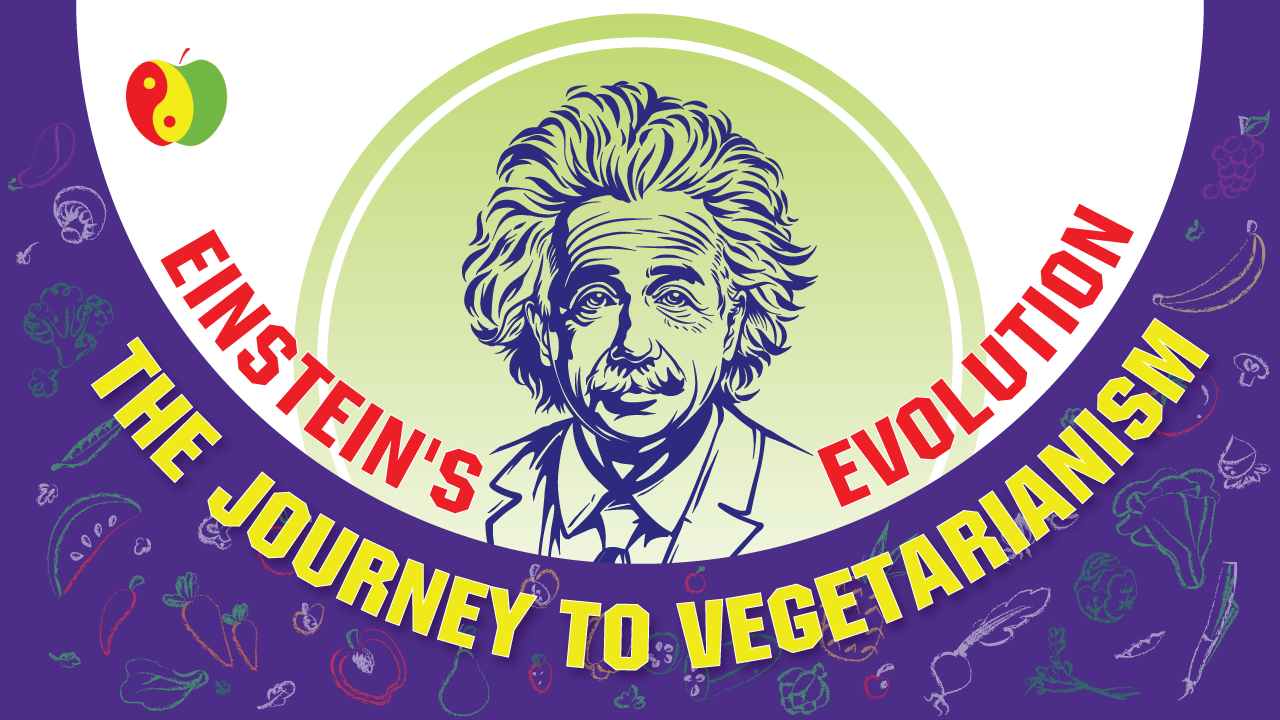
Einstein’s Evolution: 7 Powerful Lessons from His Journey to Vegetarianism!
Introduction
Albert Einstein is widely regarded as one of the greatest minds in history. His groundbreaking contributions to physics revolutionized our understanding of the universe. However, beyond his scientific achievements, Einstein underwent a profound personal transformation—one that led him toward vegetarianism.
Many people are unaware that Einstein, especially in the later years of his life, strongly advocated for a vegetarian diet. His reasons weren’t just based on health, but also on ethics and the interconnectedness of life. This article explores the seven most powerful lessons we can learn from Einstein’s journey to vegetarianism and how they can inspire us to lead a more conscious and compassionate life.
Before diving into these lessons, check out our previous video, which explores the connection between plant-based raw food and longevity:
Longevity Quotient: 7 Powerful Secrets Connecting Plant-Based Raw Food to a Vibrant Life!
Don’t forget to subscribe to our YouTube channel for more health-conscious and inspirational content: RawFoodiest.
Lesson 1: The Power of Intellectual Evolution
Einstein’s transition to vegetarianism didn’t happen overnight. It was a process of intellectual and moral growth. Like his scientific theories, his thoughts on diet evolved with time. He initially consumed meat but later realized the profound implications of his food choices on health, ethics, and the environment.
Key Takeaways:
- Changing one’s mindset requires time, research, and self-reflection.
- Openness to new ideas is crucial for personal and intellectual growth.
- Just as science progresses, so too should our dietary and ethical perspectives.
Einstein’s willingness to challenge traditional norms—whether in physics or in lifestyle—reminds us that we, too, can evolve toward healthier and more sustainable choices.
Lesson 2: Compassion as a Guiding Principle
Einstein was deeply concerned with ethics and compassion. His statements about vegetarianism often reflected his belief that reducing animal suffering was a moral duty.
Key Takeaways:
- A plant-based diet aligns with principles of non-violence and kindness.
- Compassion extends beyond human beings to include all living creatures.
- Ethical eating is a way to live in harmony with nature and all its inhabitants.
His famous quote encapsulates this beautifully: “Nothing will benefit human health and increase the chances for survival of life on Earth as much as the evolution to a vegetarian diet.”
Lesson 3: The Link Between Diet and Mental Clarity
Einstein believed that a vegetarian diet contributed to clear thinking. Many modern studies support this idea, showing that plant-based diets reduce inflammation, improve brain function, and enhance mental clarity.
Key Takeaways:
- A clean, nutrient-rich diet fuels optimal brain performance.
- Reducing processed foods and animal products helps prevent cognitive decline.
- Mental sharpness and creativity thrive on whole, plant-based nutrition.
Einstein’s genius required immense mental energy, and he recognized that food played a role in cognitive function. By following a diet rich in plants, we, too, can cultivate greater clarity and focus.
Lesson 4: The Science Behind Longevity and Health
While Einstein wasn’t a nutritionist, his inclination toward vegetarianism aligns with modern scientific findings on longevity. Research consistently shows that plant-based diets promote heart health, lower cholesterol, and reduce the risk of chronic diseases.
Key Takeaways:
- A whole-food, plant-based diet enhances overall health and longevity.
- Meat-heavy diets are linked to various diseases, including heart disease and cancer.
- Choosing plants over processed foods leads to a vibrant, disease-free life.
To deepen your understanding of how plant-based eating affects longevity, check out our previous video: [Longevity Quotient: 7 Powerful Secrets Connecting Plant-Based Raw Food to a Vibrant Life!](Longevity Quotient: 7 Powerful Secrets Connecting Plant-Based Raw Food to a Vibrant Life!)
Lesson 5: Questioning Cultural Norms
Einstein wasn’t afraid to challenge widely accepted beliefs—whether about physics or dietary habits. He questioned the status quo and sought the truth, even if it went against societal norms.
Key Takeaways:
- Just because something is traditional doesn’t mean it’s the best choice.
- Questioning mainstream food choices can lead to better personal and ethical decisions.
- Being a critical thinker applies to all aspects of life, including diet and health.
By adopting a vegetarian diet, Einstein demonstrated the courage to follow his convictions despite societal norms favoring meat consumption. His example encourages us to think critically about our own choices.
Lesson 6: The Environmental Impact of Our Choices
Einstein’s concern for the environment was another factor in his shift toward vegetarianism. Today, we understand even more clearly how animal agriculture contributes to deforestation, water pollution, and climate change.
Key Takeaways:
- The meat industry is one of the largest contributors to environmental destruction.
- A plant-based diet significantly reduces your carbon footprint.
- Living sustainably is a responsibility we owe to future generations.
Einstein’s foresight reminds us that our dietary choices have far-reaching consequences for the planet. By eating more plants, we actively participate in preserving Earth’s resources.
Lesson 7: Personal Experience Over Dogma
Einstein’s approach to vegetarianism was based on his personal experiences and reflections, not dogma or rigid ideology. He understood that individual choices should come from deep understanding rather than blind adherence.
Key Takeaways:
- True lifestyle change comes from personal conviction and experience.
- Avoiding rigid rules and embracing conscious choices leads to a more balanced life.
- A plant-based journey should be one of curiosity, learning, and self-discovery.
Rather than imposing beliefs, Einstein encouraged people to think, question, and explore. His journey toward vegetarianism teaches us that the best choices come from informed decisions, not societal pressures.
Conclusion: Embrace the Einstein Mindset
Einstein’s shift toward vegetarianism wasn’t just about food—it was a reflection of his broader philosophy on life. His lessons inspire us to:
- Stay open to new ideas and continuous evolution.
- Approach health and ethics with compassion and mindfulness.
- Challenge outdated norms and embrace science-backed truths.
By following these seven lessons, we can make healthier, more ethical, and sustainable choices—just as Einstein did.
To continue your journey toward health and consciousness, watch our previous video:
Longevity Quotient: 7 Powerful Secrets Connecting Plant-Based Raw Food to a Vibrant Life!
For more powerful insights into health, wellness, and plant-based living, subscribe to our YouTube channel: RawFoodiest.
The future is plant-powered—join the evolution today!
RELATED POSTS
View all


Sickness: 7 Powerful Steps to Healing – You Cannot Have Someone Bear It for You!
November 17, 2023 | by admin
7 Inspiring Reasons to Eat the Way Nature Intended for Ultimate Health!
October 5, 2023 | by admin
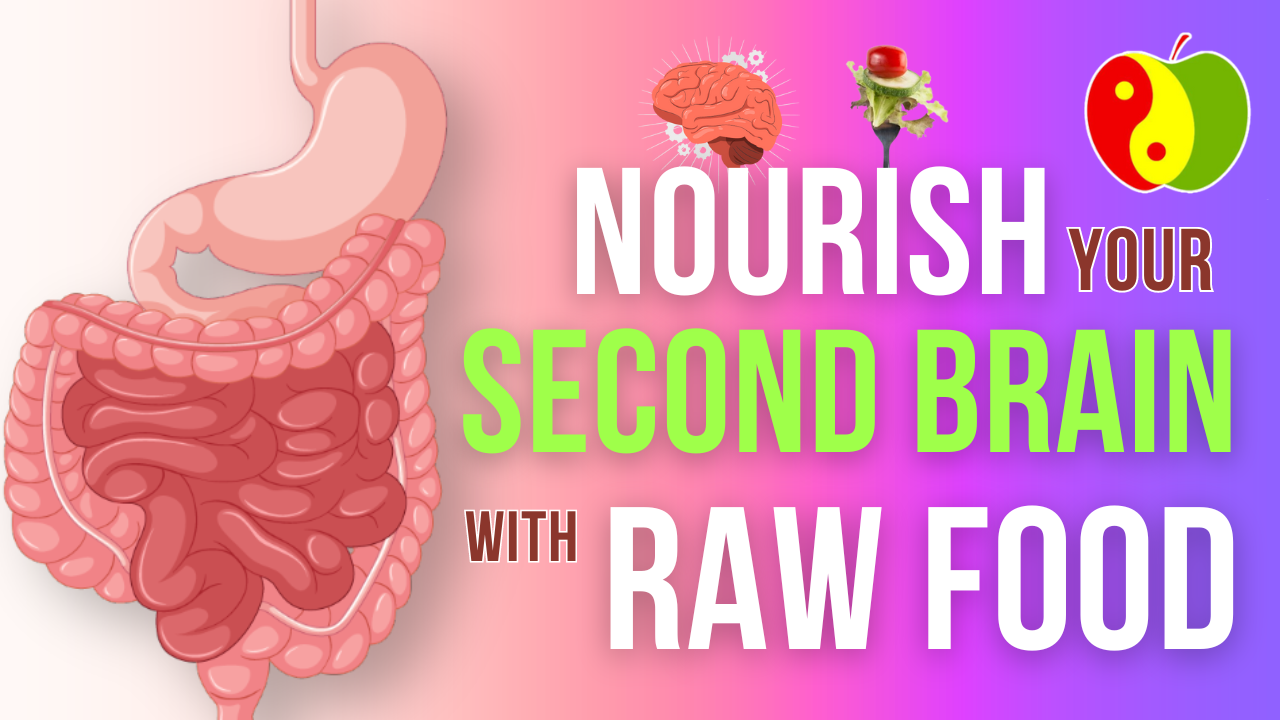
Brain Power: 7 Fascinating Insights Into the Gut-Brain & Head Brain Connection!
February 10, 2024 | by admin
