RawFoodiest – IN NATURE WE TRUST ™

Wisdom Over Clever – Timeless Truths: 1 Powerful Lesson from Einstein
April 26, 2024 | by Rupesh Shimpi
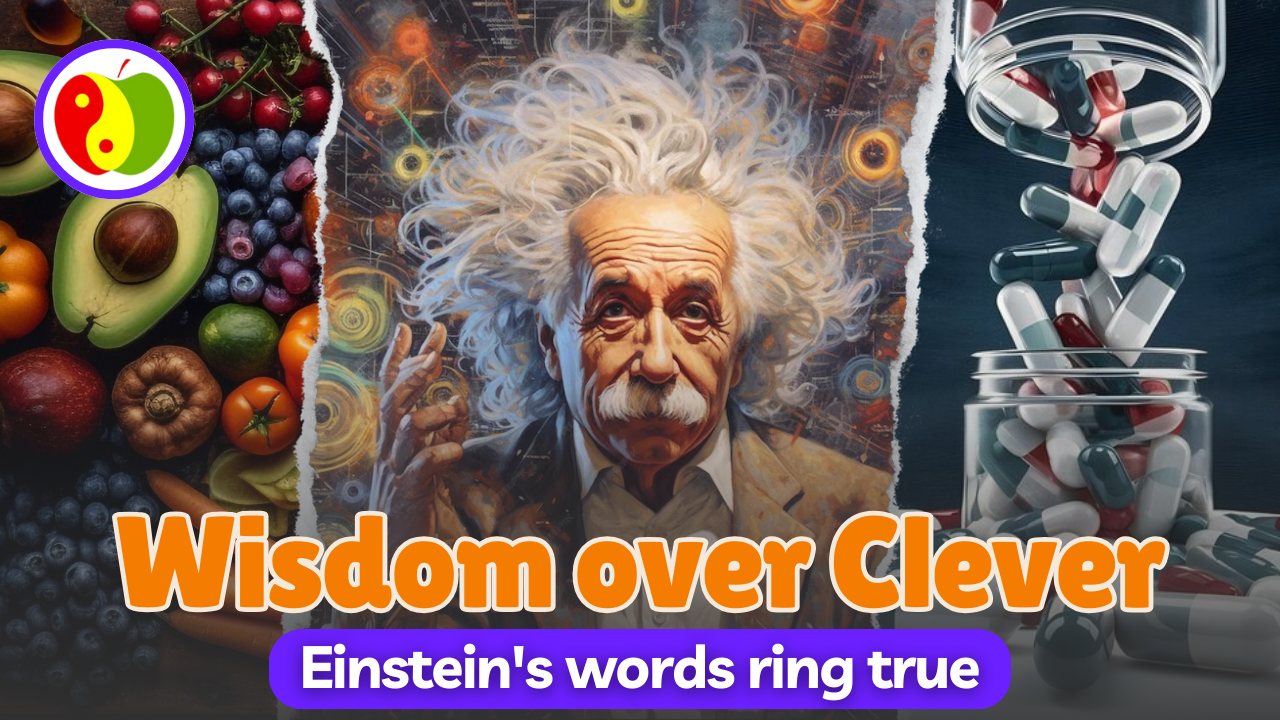
Timeless Truths: 1 Powerful Lesson from Einstein – Wisdom Over Clever
Introduction
Albert Einstein, often celebrated as one of the most brilliant minds in human history, left behind more than just scientific theories and mathematical equations. Beyond his theories of relativity and groundbreaking discoveries, Einstein was a philosopher, a humanist, and a seeker of timeless wisdom. He once famously said, “I fear the day that technology will surpass our human interaction. The world will have a generation of idiots.” But one quote stands out for its depth and relevance: “Try not to become a man of success, but rather try to become a man of value.”
In our modern world, cleverness is often mistaken for wisdom. Quick thinking, manipulation, and strategic positioning are praised and rewarded. But what if this approach, rooted in short-term gain, ultimately leads us away from deeper understanding, lasting peace, and holistic well-being?
This blog explores one powerful lesson from Einstein: why wisdom must be chosen over cleverness—and how this truth can transform not just our personal lives, but our collective future.
Before we begin, be sure to check out our foundational video:

5 Vital Truths: From Glory to Decline – The High Price of Ignoring Nutrition
It’s essential to understand how fundamental choices in health and diet tie into broader life philosophy. And don’t forget to subscribe to our channel for weekly insights: RawFoodiest.
Part 1: Einstein and the Nature of Wisdom
Who Was Einstein Beyond the Equations?
Albert Einstein was more than just a theoretical physicist. He was a humanitarian, a deep thinker, and a moral philosopher. His ideas about education, humanity, and the future demonstrate a commitment to values over mere intellectual prowess. He believed in curiosity, humility, and compassion as the guiding lights of a meaningful life.
The Danger of Cleverness
Einstein warned against the misuse of intelligence. Cleverness, when not guided by moral integrity, becomes a weapon. It’s clever to exploit loopholes. It’s clever to manipulate data. It’s clever to create persuasive arguments without concern for truth. But cleverness without conscience leads to destruction.
History has shown us the consequences of this. Clever marketing sells junk food. Clever technology enables mass surveillance. Clever politics masks exploitation. Einstein saw this long before it was obvious, warning that intelligence must be paired with wisdom and responsibility.
The Soul of a Scientist
Einstein’s personal letters and speeches reveal his true heart. He saw interconnectedness in all life. He was drawn to simplicity, beauty, and inner peace. His passion for music, nature, and the mysteries of the cosmos came not just from a place of intellect but from reverence and awe.
Part 2: The Essence of Wisdom
What is Wisdom?
Wisdom isn’t just accumulated knowledge. It’s the ability to apply knowledge with compassion, foresight, and ethical clarity. It’s about understanding the consequences of your actions—not just for yourself, but for others, for the planet, and for future generations.
The Traits of Wise Individuals
- Humility: Knowing the limits of your knowledge.
- Patience: Understanding that change takes time.
- Compassion: Feeling the pain and joy of others as your own.
- Discernment: Seeing beyond the surface.
- Vision: Thinking long-term rather than short-term.
Wisdom vs. Cleverness in Daily Life
Consider two people:
- One manipulates a situation to win an argument—clever.
- Another steps back, listens deeply, and responds with understanding—wise.
In a business setting:
- One may chase quick profits—clever.
- Another may prioritize ethical sustainability—wise.
In health:
- One may look for shortcuts—clever.
- Another may commit to slow, consistent healing—wise.
Wisdom is not flashy. It is often quiet, subtle, and understated. But it leaves behind a legacy that cleverness never can.
Part 3: Wisdom in Health and Nutrition
Revisiting Our Previous Video
In [5 Vital Truths: From Glory to Decline – The High Price of Ignoring Nutrition](5 Vital Truths: From Glory to Decline – The High Price of Ignoring Nutrition), we explored how societies fall from grace by abandoning traditional, nourishing diets for modern convenience foods. This decline is often led by cleverness—scientific innovations that mimic food but lack life-giving properties.
Wisdom, in contrast, returns us to the basics:
- Whole, living foods.
- Seasonal and local eating.
- Listening to the body’s needs.
- Fasting and cleansing.
- Respect for nature’s cycles.
The Body’s Wisdom
Your body holds deep intelligence. When we silence the noise of processed foods, stimulants, and artificial routines, we begin to hear the body’s messages. This is where true healing begins—not through clever medications, but through wisdom-based lifestyle changes.
Part 4: Applying Einstein’s Lesson to Modern Life
Education
Modern education rewards cleverness. Children are taught to memorize and regurgitate, not to question or feel. But imagine an education system rooted in wisdom:
- Where emotional intelligence is valued.
- Where collaboration is prioritized over competition.
- Where students are encouraged to explore their unique gifts.
Technology
Technology is not evil. But when it is driven solely by profit and efficiency, it becomes dangerous. Wisdom calls us to ask:
- What are the long-term effects?
- Does this technology serve humanity?
- Does it bring us closer to nature or further away?
Relationships
Clever people know how to win arguments. Wise people know how to preserve relationships.
Cleverness divides. Wisdom unites. Cleverness dominates. Wisdom uplifts. Cleverness reacts. Wisdom responds.
Part 5: How to Cultivate Wisdom
1. Slow Down
Cleverness is fast. Wisdom is patient. Create space for reflection. Begin each day with silence. End each day with gratitude.
2. Seek Truth
Don’t just accept what you hear. Dig deeper. Read ancient texts. Study philosophy. Explore spiritual teachings.
3. Practice Self-Observation
Wisdom begins within. Notice your reactions. Ask yourself: Why did I feel that way? What belief is behind my action?
4. Serve Others
Wisdom is not self-serving. It seeks to elevate the whole. Acts of service, no matter how small, cultivate humility and compassion.
5. Eat Consciously
Yes—wisdom applies to your plate too. Food affects your mind. A clean body supports a clear mind. Choose foods that align with life, not death.
6. Connect with Nature
The natural world operates with wisdom beyond our comprehension. Walk barefoot. Gaze at the stars. Learn from the trees.
7. Surround Yourself with Wisdom
Your environment shapes you. Seek mentors, communities, and conversations that elevate your thinking.
Part 6: Timeless Wisdom Across Cultures
Indigenous Traditions
Many native cultures prioritized wisdom. Elders were honored. Stories carried sacred truths. Community decisions were made with the next seven generations in mind.
Eastern Philosophies
Taoism, Buddhism, and Vedanta emphasize simplicity, surrender, and inner peace. They teach that true power comes not from control, but from flow.
Sufi and Mystical Teachings
These paths value the heart over the head. The journey is inward. Knowledge is experiential. The goal is unity, not superiority.
Conclusion: Wisdom Is the Only Sustainable Path Forward
Einstein’s life reminds us that intelligence alone is not enough. Our world is full of smart people doing dangerous things. What we need is wisdom—anchored in humility, love, and deep awareness.
In your own life, choose wisdom:
- In your words.
- In your meals.
- In your relationships.
- In your daily decisions.
Revisit our foundational health philosophy in this vital video:
5 Vital Truths: From Glory to Decline – The High Price of Ignoring Nutrition
and join our community of seekers by subscribing to our channel: RawFoodiest.
Wisdom isn’t trendy. It’s timeless. And it just might save your life.
RELATED POSTS
View all


Health vs Wealth Management: 7 Powerful Tips for Balancing the Scales!
December 19, 2023 | by admin
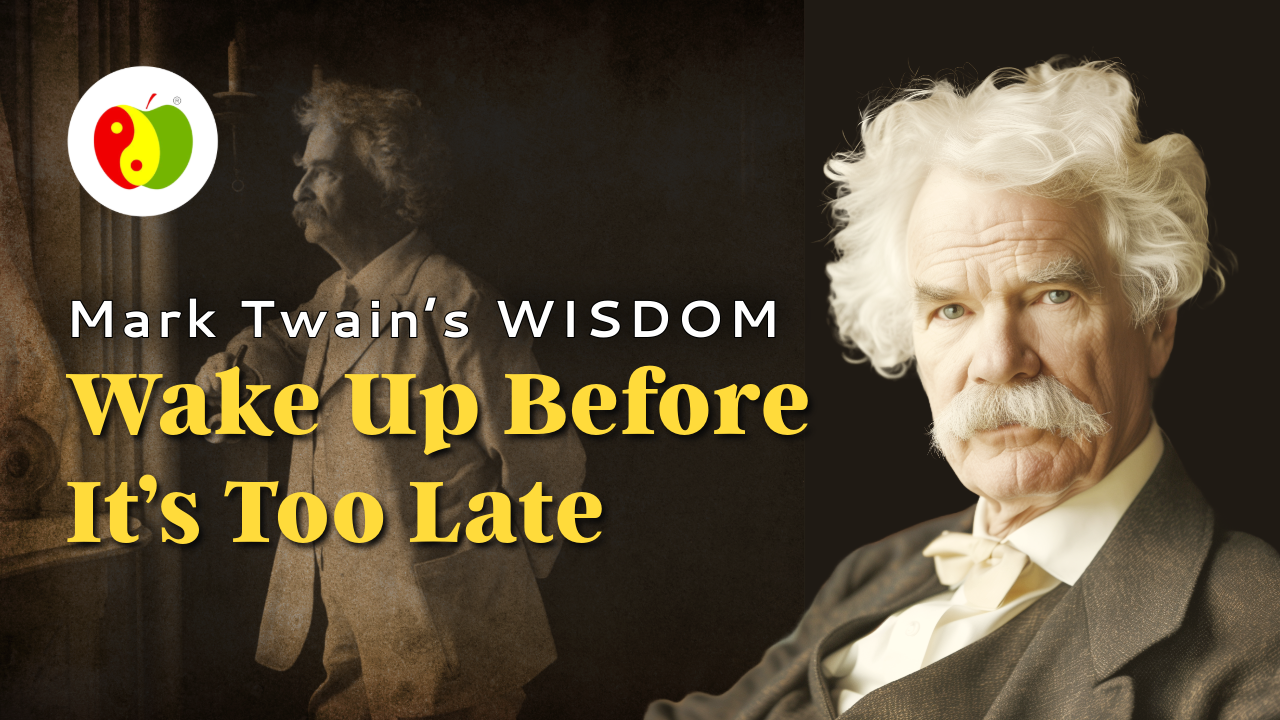
7 Life-Changing Lessons from Mark Twain’s Wisdom: Wake Up Before It’s Too Late!
September 28, 2024 | by admin
